- Nine nights of Navaratri
- Dolls on 3, 5, 7 or 9 steps
- Tamil Nadu, Karnataka, Andhra
- Sundal and thamboolam
Where it began
Golu, also called Kolu, Bommai Kolu or Bombe Habba, means a display. The steps show the order of creation, from plants and animals up to people, saints and gods at the top.
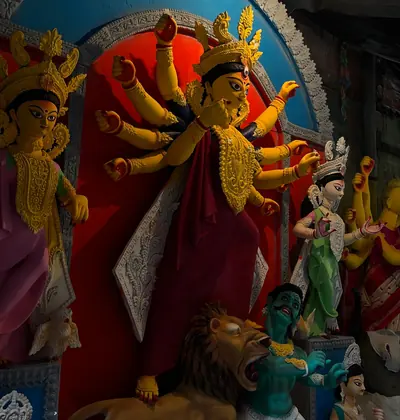
Legend says all the gods gave their powers to goddess Durga to fight Mahishasura, standing still like dolls while she fought. The golu honours that moment.
The dolls are often passed down for generations, and a pair of wooden dolls called marapachi bommai, given to a bride, sit on many golus.
How it grew over time
Old custom
Navaratri worship with displays was kept in royal courts and temples of South India.
Vijayanagara times
Royal Navaratri festivals in Hampi were grand events, and the custom spread to homes.
Family tradition
Clay and wooden dolls became heirlooms, with new dolls added every year.
Today
Golus include theme displays, from village scenes to cricket matches and space missions.
How it is celebrated in different places
Tamil Nadu
Bommai Kolu fills homes and temples, and women visit each other with gifts.
Karnataka
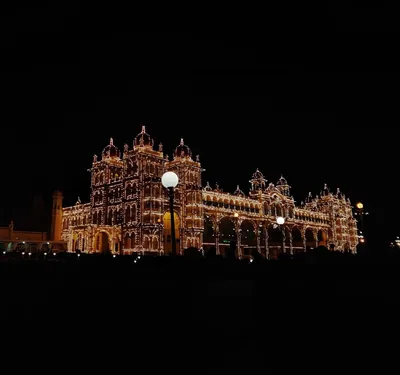
Bombe Habba, with the royal doll pair, is part of Dasara, especially in Mysuru.
Andhra Pradesh
Bommala Koluvu is set out in many Telugu homes.
Diaspora
Tamil and Kannada families in the US, Singapore and UK keep the golu and visit each other.
Navaratri Golu moments
Navaratri Golu today
Each evening women and children visit golus, sing songs, and receive sundal and a gift of betel, fruit and kumkum. On Vijayadashami a doll is laid to rest, and the golu is packed away for the next year.