TodayTools

About Nag Panchami

00 days

About Nag Panchami

Nag Panchami is the fifth day of the bright half of Shravan, in July or August, when serpent gods are honoured. It falls in the monsoon, when snakes leave their flooded holes and are seen more often.

Families worship images of the Nag, drawn on walls, made of clay or carved in stone, and pray to the serpents linked with the gods: Vasuki around Lord Shiva's neck, Sheshnag beneath Lord Vishnu, and Kaliya, whom Krishna calmed. Many fast, avoid digging the soil that day and share kheer and sweets.

It is kept across Maharashtra, Uttar Pradesh, Bihar, Karnataka, Bengal, Odisha and Nepal. Today many families honour snakes as part of nature and protect them, rather than handling or feeding live ones.

  • Shravana Shukla Panchami
  • July or August
  • Maharashtra, Karnataka, UP
  • Also kept in Nepal

Where it began

Naga means snake and panchami means the fifth day. Snakes are honoured in many Hindu stories, and great nagas such as Shesha and Vasuki serve the gods.

Legend says young Krishna defeated the snake Kaliya in the Yamuna and spared him. Another story tells of the snake sacrifice of King Janamejaya, stopped by a wise sage on this day.

The rainy season drives snakes out of their holes. The festival asks people to respect them and live in peace with nature.

A naga picture is placed above the door for Nag PanchamiArlington, Massachusetts

How it grew over time

  1. Ancient times

    Naga worship appears in early texts, temple carvings and stone images of snakes.

  2. Medieval period

    Snake stones are set under trees and near temples in many villages.

  3. Modern times

    Many families move from offering milk to live snakes to praying at images and anthills.

  4. Today

    Temples, homes and village shrines across India and Nepal keep the day with prayers and folk songs.

How it is celebrated in different places

  • Maharashtra

    Women draw snake designs, offer puja and sing songs. Battis Shirala is known for its Nag Panchami.

  • Karnataka

    Families pour milk on anthills and snake stones, and brothers and sisters share a bond of care.

  • Uttar Pradesh and Bihar

    People draw nagas on walls with milk and charcoal, and wrestling bouts are held in villages.

  • Nepal

    Pictures of nagas are put above doors to keep homes safe in the monsoon.

Nag Panchami moments

A three headed naga in old stone
A naga deity in stone at an old hill fortBhuvanagiri, Telangana
A many hooded serpent carved in stoneDhulikatta, Telangana

Nag Panchami today

Families offer milk, rice, flowers and sweets at shrines and draw nagas at the door. Many no longer dig or plough on this day, so that no creature in the soil is harmed.

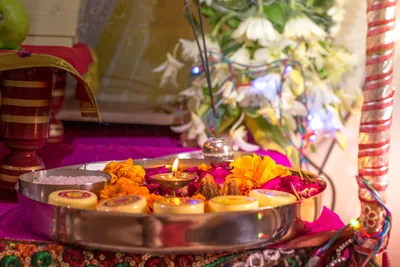
How people celebrate Nag Panchami

  • Worship of Nag images and idols
  • Drawing serpents on walls with sandal paste or turmeric
  • Fasting and kheer
  • Not digging or ploughing the soil
  • Swings and Sawan songs

How to wish well

  • Send wishes in the morning, before the puja.
  • Wishes for protection, health and Lord Shiva's blessings suit the day.
  • Encourage respect for snakes in nature; live snakes should never be fed milk or handled.

Questions about Nag Panchami

When is Nag Panchami 2026?

Nag Panchami is on 17 August 2026, the fifth day of the bright half of Shravan.

Why is Nag Panchami celebrated?

To honour the serpent gods for protection, and to show respect for snakes, which are seen often in the monsoon.

Should milk be offered to snakes?

Milk should be offered to idols and images. Live snakes cannot digest milk, and handling them harms them.

Which serpents are worshipped on Nag Panchami?

Ananta, Vasuki, Shesha, Padma, Kambala, Karkotaka, Ashvatara, Dhritarashtra, Shankhapala, Kaliya and Takshaka are among those named in prayers.

What do you say on Nag Panchami?

Say "Happy Nag Panchami". In Hindi, "Nag Panchami ki hardik shubhkamnayein".

Keep exploring

Related

Coming up next

    All festival wishes

    Donate