TodayTools

About Mahalaya

00 days

About Mahalaya

Mahalaya is the new moon that ends Pitru Paksha, the fortnight of remembering ancestors, and begins Devi Paksha, the fortnight of the Goddess. It falls in September or October, the day before Navratri and about a week before Durga Puja.

At dawn, families offer tarpan, water and sesame with prayers, to their ancestors at rivers and ghats. In Bengal, people wake before four in the morning to listen to the Mahishasura Mardini, a recital of hymns and songs that calls the Goddess to earth.

Mahalaya is also the day artisans traditionally paint the eyes on the Durga idols, called Chokkhu Daan. It is a solemn and hopeful day: a time to remember those who came before and to welcome the coming festival.

  • Ashwin new moon
  • September or October
  • Start of Devi Paksha
  • Tarpan at the riverside

Where it began

Mahalaya is the last day of Pitru Paksha, the fortnight when families remember their ancestors. People go to rivers at dawn and offer water and sesame in a rite called tarpan.

Legend says the Goddess Durga starts her journey to earth on this day. The next fortnight, Devi Paksha, leads up to Durga Puja.

In Bengal, image makers paint the eyes of the goddess around this time, a step called chokkhu daan.

Durga takes shape in the potters quarter before the PujaKumartuli, Kolkata

How it grew over time

  1. Ancient times

    Remembering ancestors in Pitru Paksha is told of in the Puranas.

  2. 1930s

    A radio programme of hymns and the Chandi story, Mahishasura Mardini, is first broadcast in Bengal.

  3. Later 20th century

    Waking at dawn to hear the programme becomes a much loved family custom.

  4. Today

    Families gather by rivers for tarpan, and the city feels the first joy of Durga Puja.

How it is celebrated in different places

  • Kolkata, West Bengal

    Crowds gather at the Hooghly ghats for tarpan, and homes play the dawn chants.

  • Tripura and Assam

    Families remember ancestors and begin the Puja season.

  • Odisha and Jharkhand

    The day is kept with river prayers and the start of the Goddess fortnight.

  • Bengali communities abroad

    Families play the chants at dawn and start planning their Durga Puja.

Mahalaya moments

Crowds gather on the river bank, in a photograph from the early 1900sPrinsep Ghat, Kolkata
Prinsep Ghat on the Hooghly glows at nightKolkata, West Bengal
Boats along the water in old CalcuttaKolkata, West Bengal

Mahalaya today

Families wake before dawn, listen to the hymns, and offer prayers for their ancestors. The day carries a quiet feeling that turns into excitement, as Durga Puja is now only days away.
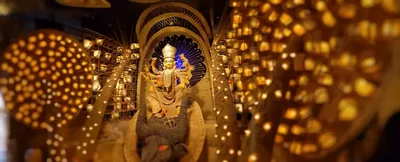
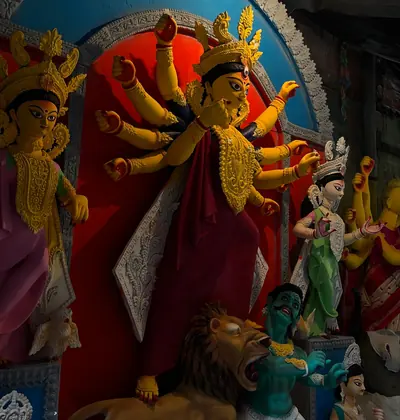
How people celebrate Mahalaya

  • Tarpan for ancestors at the river
  • Waking before dawn for the Mahishasura Mardini
  • Chokkhu Daan, painting the Goddess's eyes
  • Feeding the poor and Brahmins
  • Preparing homes for Durga Puja

How to wish well

  • Keep Mahalaya wishes calm and respectful: it is a day of remembrance as well as hope.
  • "Shubho Mahalaya" is widely used in Bengal; some families prefer simply to share a prayer.
  • Avoid jokes and party messages; save those for Durga Puja.
  • If a friend has lost a parent recently, a kind word of remembrance is better than a festive wish.

Questions about Mahalaya

When is Mahalaya 2026?

Mahalaya is on 10 October 2026, the day before Navratri begins.

When is Mahalaya 2027?

Mahalaya in 2027 falls at the end of September; the date shown on this page follows the new moon at dawn.

Why is Mahalaya observed?

It ends Pitru Paksha, when families honour their ancestors with tarpan, and begins Devi Paksha, when Goddess Durga is invoked.

Should you say Shubho Mahalaya?

Many Bengalis say "Shubho Mahalaya" for the start of Devi Paksha. Since it is also a day to remember ancestors, a respectful, prayerful tone is best.

What is tarpan?

Tarpan is the offering of water, sesame and prayers to departed ancestors, made at dawn on Mahalaya.

Keep exploring

Related

Coming up next

    All festival wishes

    Donate