TodayTools

About Lunar New Year

00 days

About Lunar New Year

Lunar New Year starts on the first day of the first month of the lunar calendar, between late January and mid February. In China it is the Spring Festival, in Korea Seollal and in Vietnam Tet.

Each year is linked to one of twelve zodiac animals. The festival marks the end of winter and a fresh start.

Families clean their homes, hang red lanterns and couplets, gather for a reunion dinner on New Year's Eve and give red envelopes of lucky money to children. Fireworks, lion dances and visits to elders follow over the next days.

It is celebrated across East and Southeast Asia and by communities all over the world. The festivities end with the Lantern Festival on the fifteenth day.

  • New moon, late January to mid February
  • Up to 15 days, ending with the Lantern Festival
  • One of 12 zodiac animals each year
  • China, Korea, Vietnam, Singapore, Malaysia

Where it began

In China the festival is called Chunjie, the Spring Festival, because it marks the end of winter on the old farming calendar. It was a time to thank the gods and ancestors for the harvest and pray for the year ahead.

Legend says a beast called Nian came out each new year to frighten villages. People learned that it feared the colour red, loud noise and bright light, so they hung red paper, lit firecrackers and kept lamps burning. The custom of driving away Nian became the noisy, red festival people know today.

Old records show new year rites at the start of the lunar year going back more than two thousand years. Over time each year was linked to one of twelve animals of the zodiac, from the Rat to the Pig.

Rows of bright lanterns ready for the new year

How it grew over time

  1. Ancient China

    Farming families marked the turn of the year with offerings to ancestors and gods of the land.

  2. Han dynasty

    The date at the start of the first lunar month became fixed, and new year customs spread across the empire.

  3. Medieval period

    Firecrackers, red couplets on doors and the closing Lantern Festival became common customs.

  4. 1912

    China took up the Western calendar for official use, and the lunar new year was renamed the Spring Festival.

  5. Today

    Hundreds of millions of people travel home for the reunion dinner, one of the largest yearly journeys in the world.

How it is celebrated in different places

  • China

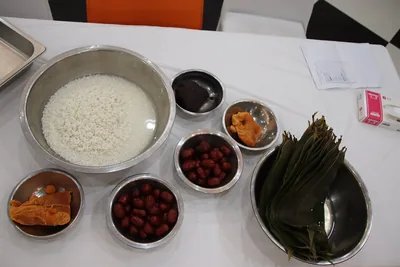
    Families share dumplings in the north and rice cakes in the south, and children get red envelopes with money.

  • Korea

    Seollal is a time to wear hanbok, bow to elders and eat tteokguk, a rice cake soup.

  • Vietnam

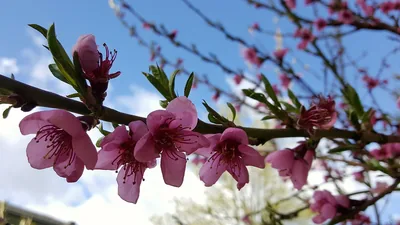
    Tet brings peach and apricot blossoms into homes and sticky rice cakes to the table.

  • Singapore and Malaysia

    Streets glow with lanterns, lion dances visit shops and friends toss yusheng salad for good luck.

  • Chinatowns worldwide

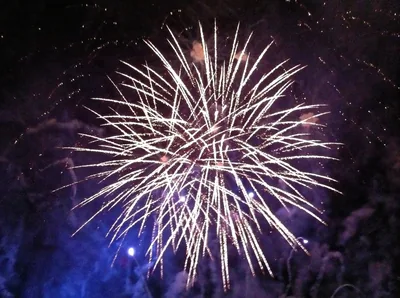
    Cities such as San Francisco, London and Sydney hold parades with dragons, drums and fireworks.

Lunar New Year moments

A whole avenue dressed in red for the holiday
Zodiac horses greet visitors at a Chinatown gate
Lion dancers bring luck and noise to the new year
Lion lanterns glow at a new year light show
Pink lanterns float over the streets at the lantern festivalNagasaki, Japan

Lunar New Year today

Before the day, families clean their homes to sweep away bad luck and hang red decorations. On the eve they gather for a large reunion dinner. The next days are for visiting relatives, giving red envelopes and wishing each other health and wealth.

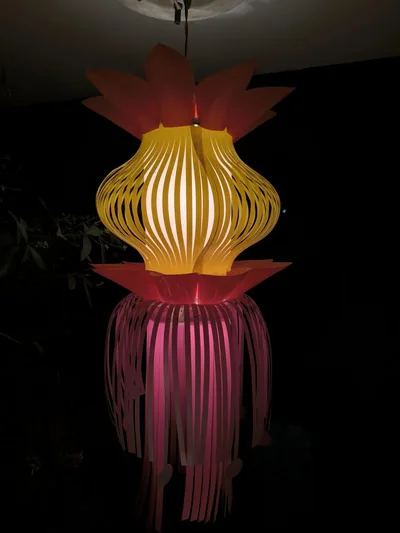
The season ends on the fifteenth day with the Lantern Festival, when lanterns light up streets and parks.
How people celebrate Lunar New Year

  • Reunion dinner
  • Red envelopes
  • Red lanterns and couplets
  • Lion and dragon dances
  • Fireworks
  • Bowing to elders (Seollal)
  • Spring cleaning before the new year

How to wish well

  • Use the greeting of the person's own tradition: "Xin nian kuai le" for Chinese, "Saehae bok mani badeuseyo" for Korean, "Chuc mung nam moi" for Vietnamese.
  • Red and gold are lucky colours; white is linked to mourning in some places.
  • Avoid talking about bad luck, illness or breaking things during the first days.
  • Mention the zodiac animal of the new year for a personal touch.

Questions about Lunar New Year

When is Lunar New Year 2027?

Lunar New Year falls on the first day of the first lunar month, between 21 January and 20 February. The date for each year is shown on this page.

Is Chinese New Year the same as Lunar New Year?

Chinese New Year is one Lunar New Year. Korea (Seollal) and Vietnam (Tet) celebrate on the same day or close to it.

What do you say on Chinese New Year?

"Xin nian kuai le" (Happy New Year) in Mandarin, "Gong hei fat choi" in Cantonese, and "Gong xi fa cai" (wishing you prosperity).

How long is Lunar New Year?

Celebrations last about 15 days, ending with the Lantern Festival. Public holidays are usually 3 to 7 days.

What is a red envelope?

A red envelope holds lucky money. Elders and married couples give them to children and younger relatives.

How do you say Happy New Year in Korean?

"Saehae bok mani badeuseyo", meaning "Receive many blessings in the new year".

Keep exploring

Related

Coming up next

    All festival wishes

    Donate