- 15th day of the 1st lunar month
- Last night of Chinese New Year
- China, Taiwan, Southeast Asia
Where it began
In Chinese it is called Yuanxiao Jie. Yuan means first and xiao means night, so the name points to the first full moon night of the new year.
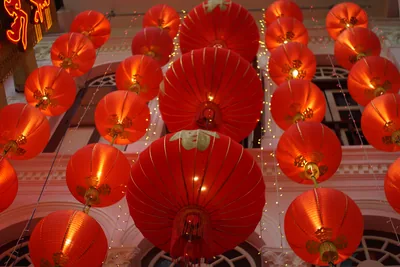
There are many stories about its start. One tells that Buddhist monks lit lamps to honour the Buddha on this night, and an emperor of the Han dynasty asked people to do the same. Another legend tells of people hanging red lanterns to fool a heavenly army into thinking the town was already on fire.
How it grew over time
Han dynasty
Records link the lighting of lamps on this night to the Han court about two thousand years ago.
Tang dynasty
Lantern displays grew grand, and the city curfew was lifted so people could walk the streets at night.
Song dynasty
Lantern riddles became a popular game, and the festival lasted several nights.
Today
Huge lantern shows light up cities across China and Chinese communities around the world.
How it is celebrated in different places
China
Parks and temples are filled with lanterns of animals, flowers and the year's zodiac sign.
Taiwan
The Pingxi sky lantern release and the Taiwan Lantern Festival draw large crowds.
Malaysia and Singapore
Chap Goh Mei is the Hokkien name, and young people once threw oranges into the sea to wish for a good partner.
Lantern Festival moments
Lantern Festival today
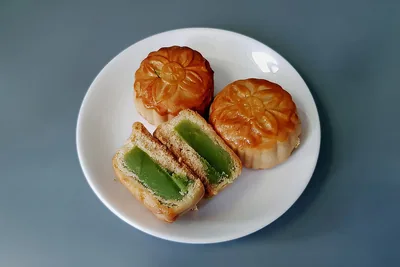
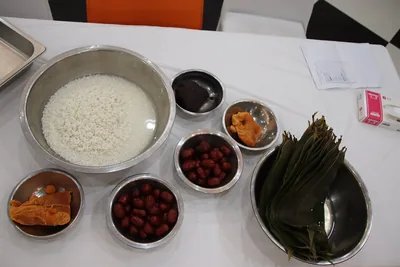
Families eat tangyuan or yuanxiao, round balls of sticky rice filled with sesame, peanut or red bean. Children carry small lanterns, and people walk under lantern displays guessing the riddles.
In many towns there are lion and dragon dances and fireworks to close the New Year season.