TodayTools

About Hornbill Festival

00 days

About Hornbill Festival

The Hornbill Festival is held every year from 1 to 10 December at the Naga Heritage Village of Kisama, near Kohima in Nagaland. It opens on Nagaland Statehood Day, the day Nagaland became a state in 1963.

It is called the Festival of Festivals because it brings all the major Naga tribes together in one place. It is named after the great hornbill, a bird honoured in the songs, dances and dress of almost every tribe.

Each tribe has its own morung, a traditional house, where visitors can taste food, see crafts and watch dances. There are folk songs, log drums, traditional games, a rock music contest, a night bazaar and visitors from all over India and the world.

  • 1 to 10 December
  • Kisama Heritage Village, Kohima
  • First held in 2000

Where it began

The festival is named after the hornbill, a large forest bird that appears in many Naga folk tales and songs. Its feathers have long been used in traditional headgear, and the bird is a symbol of honour and grace.

Each Naga tribe has its own festivals, often tied to sowing and harvest. The Government of Nagaland started the Hornbill Festival in 2000 so that all the tribes could share their culture in one place and meet one another and visitors.

It begins on 1 December, which is also Nagaland Statehood Day, so the opening joins pride in the state with pride in its many cultures.

How it grew over time

  1. Old times

    Each Naga tribe keeps its own seasonal festivals with song, dance and feasting.

  2. 2000

    The state government holds the first Hornbill Festival to bring all the tribes together.

  3. Later years

    Kisama Heritage Village is built with a traditional house, or morung, for each tribe.

  4. Today

    The festival runs for ten days with music, sports and night events in Kohima.

How it is celebrated in different places

  • Kisama Heritage Village

    Each tribe performs in its own dress in the main arena and opens its morung to guests.

  • Kohima town

    Night bazaars, food stalls and music shows fill the streets in the evenings.

  • Across Nagaland

    Districts send dance groups, cooks and craftspeople, and families travel to the capital to join in.

Hornbill Festival today

Visitors can watch war dances and folk songs, try local food such as smoked pork and bamboo shoot dishes, see wood carving and weaving, and join games and contests. A rock music contest and a fiery chilli eating contest have become crowd favourites.
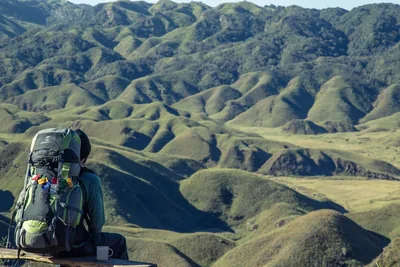
How people celebrate Hornbill Festival

  • Tribal dances and folk songs at Kisama
  • Visits to each tribe's morung
  • Naga food and crafts
  • Traditional games and archery
  • Rock contest and night bazaar

How to wish well

  • Greet on 1 December, which is also Nagaland Statehood Day, or at any time during the ten days.
  • "Kuknalim", an Ao Naga word for victory and greeting, is often heard at the festival.
  • Each tribe has its own customs; wishes about unity, music and heritage suit everyone.

Questions about Hornbill Festival

When is the Hornbill Festival?

Every year from 1 to 10 December, at Kisama near Kohima.

Why is it called the Hornbill Festival?

It is named after the great hornbill, a bird that features in the folklore, songs and dress of most Naga tribes.

Why does the festival start on 1 December?

1 December is Nagaland Statehood Day. Nagaland became the sixteenth state of India on that day in 1963.

Why is it called the Festival of Festivals?

Because all the major Naga tribes celebrate together, each showing its own festival dances, songs and food.

Can tourists attend the Hornbill Festival?

Yes. Visitors from India and abroad come every year. Some visitors need an inner line or protected area permit, so check before you travel.

Keep exploring

Related

Coming up next

    All festival wishes

    Donate