- Two days: Holika Dahan and Rangwali Holi
- Phalguna Purnima, in March
- Biggest in North India and Nepal
- Braj Holi lasts weeks
Where it began
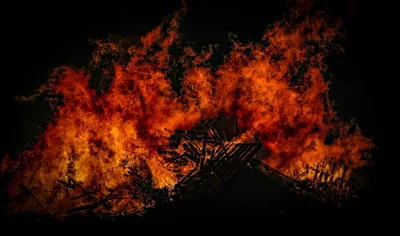
Legend says the demon king Hiranyakashipu wanted everyone to worship him, but his son Prahlad stayed devoted to Vishnu. The king's sister Holika, who could not be burned, sat with Prahlad in a fire. Holika burned and Prahlad came out safe. The Holika bonfire the night before Holi remembers this win of faith.
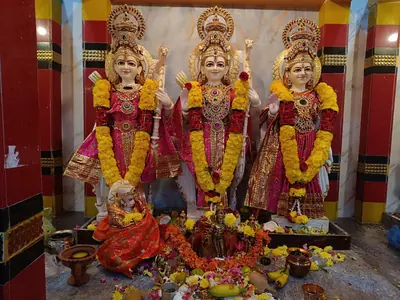
In Braj, the land of Krishna, one story tells that young Krishna, worried about his dark skin, playfully coloured Radha's face. This love story is the root of the colour play, and Mathura, Vrindavan and Barsana celebrate it for many days.
Holi is one of the oldest Hindu festivals. Old Sanskrit plays and poems describe spring festivals with colour and music, and paintings from royal courts show kings and queens playing Holi with syringes of coloured water.
How it grew over time
Ancient times
Spring festivals of colour and the burning of Holika are described in old texts as a welcome to the new harvest.
Medieval period
Poets of Braj sing of Krishna and Radha's Holi, and the festival becomes a favourite subject of court painters.
1700s and 1800s
Rajput and Mughal court paintings show royal Holi parties with music, flowers and coloured water.
1900s
Holi songs in films carry the festival's joy to every corner of India and to families abroad.
Today
Holi is celebrated around the world, and herbal colours made from flowers are growing in popularity.
How it is celebrated in different places
Mathura, Vrindavan and Barsana
Celebrations last over a week, with Lathmar Holi in Barsana, flower Holi in temples and colour clouds over the lanes.
West Bengal and Odisha
Dol Jatra or Basanta Utsav brings Radha and Krishna out in swings, with songs and gentle colours.
Punjab
Sikhs mark Hola Mohalla at Anandpur Sahib the day after Holi, with displays of martial skill and community meals.
Nepal
Holi is a national holiday, with colour play in Kathmandu Durbar Square and music in the streets.
Suriname, Guyana and the Caribbean
Phagwah is a public holiday, celebrated with chowtal songs and colour play by families of Indian descent.
Holi moments
Holi today
The evening before, people gather around the Holika bonfire to pray and walk around it. The next day begins with colours, water balloons and music, and ends with a bath, new clothes and visits to friends with gujiya, thandai and other sweets.