TodayTools

About Hemis Festival

00 days

About Hemis Festival

The Hemis Festival, or Hemis Tsechu, is held every summer at Hemis Monastery near Leh in Ladakh. It falls on the tenth day of the fifth Tibetan month, in June or early July, and marks the birth of Guru Padmasambhava, who brought Buddhism to the Himalayas.

For two days the monastery courtyard fills with the sound of long horns, drums and cymbals as monks perform the Cham, sacred masked dances that show the victory of good over evil. Every twelve years, in the monkey year, a giant thangka of the Guru is unrolled for all to see.

Families from across Ladakh come in their finest dress, and visitors from India and abroad join them. Stalls sell crafts and food, and the festival is a time of prayer, colour and meeting friends.

  • Two days in June or July
  • Tibetan month 5, day 10
  • Hemis Monastery, Ladakh

Where it began

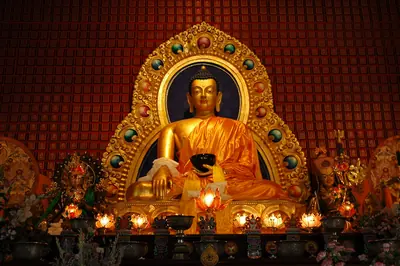
Tsechu means the tenth day. Buddhists in the Himalayas keep the tenth day of the lunar month for Guru Padmasambhava, the great teacher revered for bringing Buddhism to Tibet and the mountains around it. The tenth day of the fifth month is held as his birthday.

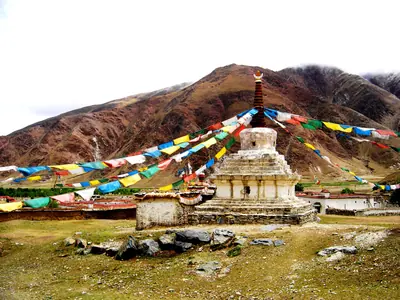
Hemis Monastery belongs to the Drukpa lineage of Tibetan Buddhism. It was rebuilt and grew in the 1600s with the support of the Ladakhi king Sengge Namgyal, and it became one of the largest and richest monasteries in Ladakh.

The heart of the festival is the Cham, a sacred dance by monks in masks and silk robes. Legend and teaching say the dances show the victory of good over evil and help clear away harmful forces for the year ahead.

Masked Cham dancers in an old photographLadakh

How it grew over time

  1. 8th century

    Guru Padmasambhava teaches in Tibet; Himalayan Buddhists come to honour him on the tenth day of the month.

  2. 1600s

    Hemis Monastery is rebuilt and grows under King Sengge Namgyal of Ladakh.

  3. Every twelve years

    In the monkey year a giant thangka of the Guru is unrolled in the courtyard for all to see.

  4. Today

    Thousands of local families and visitors gather in the monastery courtyard each summer.

How it is celebrated in different places

  • Hemis Monastery

    Monks dance in the courtyard to long horns, drums and cymbals while families watch from the galleries.

  • Leh and nearby villages

    Families travel in their best dress, and stalls sell crafts, food and prayer items.

  • Other Himalayan monasteries

    Tsechu masked dances in honour of the Guru are also held in Sikkim, Bhutan and other Buddhist regions.

Hemis Festival today

The festival is a time of prayer, colour and meeting friends. People offer butter lamps and prayers, watch the dances for hours, and share food with family. Visitors are welcome and are asked to be quiet and respectful in the courtyard.
How people celebrate Hemis Festival

  • Cham masked dances by monks
  • Long horns, drums and cymbals
  • Prayers to Guru Padmasambhava
  • Unrolling the great thangka every twelve years
  • Families in traditional Ladakhi dress
  • Craft and food stalls

How to wish well

  • "Tashi Delek" is a warm greeting to use with Ladakhi friends.
  • Blessings for peace, health and good harvests suit the day.
  • Visitors should ask before taking photos of monks and dancers.

Questions about Hemis Festival

When is the Hemis Festival?

On the tenth day of the fifth Tibetan month, usually in June or early July. The date for each year is shown on this page.

Why is the Hemis Festival celebrated?

It honours the birth of Guru Padmasambhava, who is revered for bringing Buddhism to the Himalayan region.

What is the Cham dance?

It is a sacred masked dance performed by monks to music of horns and drums, showing the victory of good over evil.

Where is the Hemis Festival held?

At Hemis Monastery, about 45 kilometres from Leh in Ladakh.

How many days is the Hemis Festival?

The main celebration lasts two days.

Keep exploring

Related

Coming up next

    All festival wishes

    Donate