- Bhadrapada Shukla Tritiya
- August or September
- Fast without water
- UP, Bihar, Jharkhand, Maharashtra
Where it began
Hartalika comes from words meaning taken away and friend. Legend says Parvati's friends led her away into the forest so that she would not be married to someone else.
In the forest, one story tells, Parvati made a Shiva linga of sand and prayed with great devotion. Shiva was pleased and accepted her as his wife.
Women keep the same faith on this day. They fast, worship clay or sand images of Shiva and Parvati and listen to the story of the day.
How it grew over time
Ancient times
Prayers to Shiva and Parvati for married life are part of folk customs in many regions.
Medieval period
The Hartalika story is told in vrat books, and the fast spreads across north and central India.
Modern times
The day becomes a time for women to gather, sing and stay awake through the night.
Today
The fast is kept in India and Nepal, and women in many cities pray together in temples.
How it is celebrated in different places
Bihar, Jharkhand and Uttar Pradesh
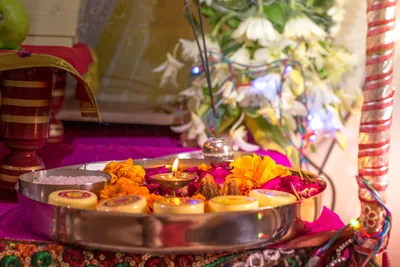
Women make clay images, decorate a small mandap with flowers and banana leaves, and pray through the night.
Maharashtra
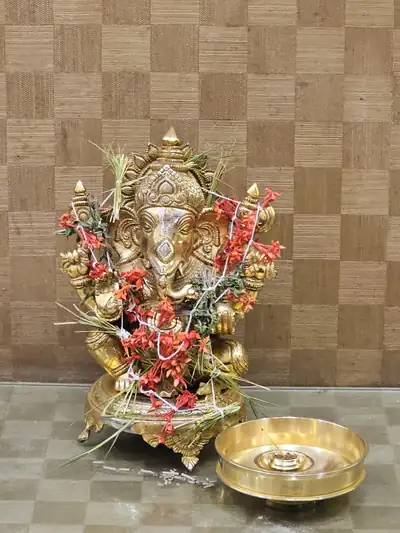
Women and girls worship Parvati and her friend with green leaves, and the day comes just before Ganesh Chaturthi.
Rajasthan and Madhya Pradesh
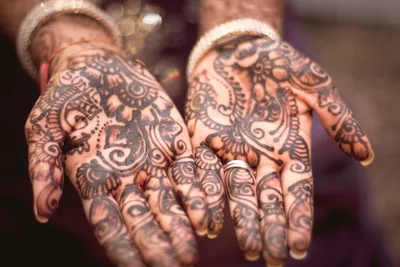
Women in new clothes and mehndi gather to sing and listen to the Teej story.
Nepal
Women in red sing and dance at Shiva temples, especially Pashupatinath in Kathmandu.
Hartalika Teej moments
Hartalika Teej today
Women wake early, dress in bright clothes and bangles, and keep a strict fast. In the evening they worship together, and they end the fast the next morning.