- 19 December every year
- Part of India since 1961
- State holiday in Goa
- Capital Panaji
Where it began
Portuguese forces under Afonso de Albuquerque took Goa in 1510. For more than four centuries it was ruled from Lisbon, and Goa grew a rich mix of Konkani, Indian and Portuguese culture.
When India became free in 1947, Goa, Daman and Diu were still under Portugal. Goans and people from across India called for Goa to join India. Many took part in peaceful protests, and some were jailed for their part in the movement.
After talks did not bring a result, India launched Operation Vijay in December 1961. On 19 December 1961 the Portuguese Governor-General signed the surrender, and Goa, Daman and Diu became part of India.
How it grew over time
1510
Portuguese forces take Goa, beginning a long period of colonial rule.
1946
A public meeting in Margao on 18 June gives new strength to the freedom movement, a day now kept as Goa Revolution Day.
1955
Satyagrahis from across India march into Goa in peaceful protest.
1961
Operation Vijay brings Goa, Daman and Diu into India on 19 December.
1987
Goa becomes a full state of India on 30 May.
Today
Liberation Day is a state holiday, with ceremonies across Goa.
How it is celebrated in different places
Panaji
The Chief Minister raises the flag, and tributes are paid at the martyrs' memorial at Azad Maidan.
Margao and other towns
Towns hold parades, school marches and evening torchlight processions.
Villages of Goa
Panchayats raise the flag and honour local freedom fighters and their families.
Goans abroad
Goan communities in the UK, Portugal, the Gulf and Canada hold get togethers with Konkani music and food.
Goa Liberation Day moments
Goa Liberation Day today
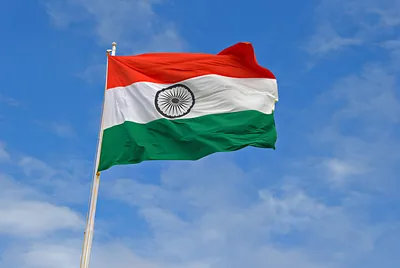
The day begins with flag hoisting and the national anthem. Freedom fighters who are still with us are honoured, and stories of the movement are shared in schools.
In the evening there are cultural shows with Konkani songs, dance and plays, and buildings in Panaji are lit up for the night.