- The promise before a wedding
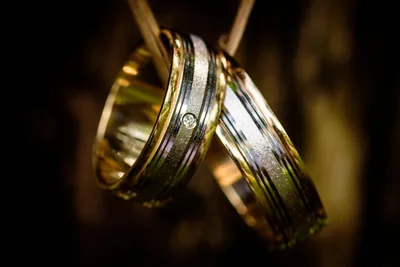
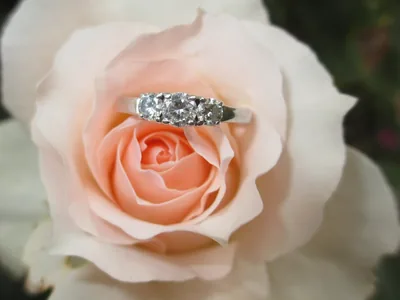
- Rings or exchange of plates
- Nichayathartham, sagai, roka
Where it began
In many old societies, an engagement, or betrothal, was an agreement between two families. Gifts were exchanged, and the date for the wedding was fixed.
The Romans gave a ring at betrothal. In 1477 Archduke Maximilian of Austria gave a diamond ring to Mary of Burgundy, and this is often remembered as an early diamond engagement ring.
In India, the engagement is a family ceremony. Elders of both sides meet, exchange plates of fruits, sweets, flowers, betel leaves and clothes, and bless the couple.
How it grew over time
Ancient times
Betrothal is an agreement between two families, sealed with gifts.
Roman times
Rings are given as a sign of the promise to marry.
1477
A diamond ring is given at a royal betrothal in Europe.
20th century
Engagement rings become common in many countries.
Today
Engagements range from quiet family rites to big parties.
How it is celebrated in different places
Tamil Nadu
At Nichayathartham the families exchange thamboolam plates and fix the wedding date.
North India
Roka and sagai bring the families together, with rings, sweets and blessings.
China
The groom's family sends betrothal gifts to the bride's family before the wedding.
Europe and the Americas
A proposal with a ring is followed by an engagement party.
Engagement moments
Engagement today
Today an engagement is a happy time of planning and visits. Families share sweets, couples share the news, and friends send their wishes.