- 1 Shawwal in the Islamic calendar
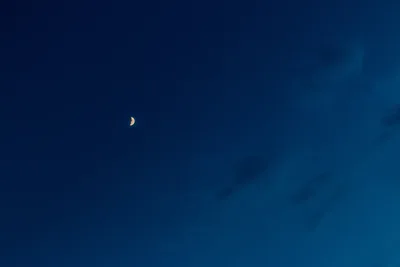
- Starts with the sighting of the new moon
- Zakat al-Fitr given before prayer
Where it began
Eid al-Fitr means the festival of breaking the fast. Islamic tradition holds that the Prophet began the two Eid festivals after the move to Medina, as days of thanks and joy.
The day follows the 29 or 30 days of Ramadan. Because the Islamic calendar follows the moon, Eid moves about 11 days earlier each year in the solar calendar, and its exact day depends on the sighting of the new crescent.
How it grew over time
7th century
The first Eid prayers are held in Medina, with charity given so that everyone can join the joy.
Early Islamic centuries
As Islam spreads, Eid prayers in open grounds and big mosques become a shared sight in many cities.
Medieval period
Sweet dishes, new clothes and family visits become part of Eid in lands from Spain to India.
Today
Eid is a public holiday in many countries and is kept by Muslim families everywhere.
How it is celebrated in different places
India and Pakistan
Families make sheer khurma and vermicelli sweets, and children get Eidi gifts from elders.
Indonesia and Malaysia
Called Lebaran or Hari Raya, it brings a big journey home and open houses for neighbours.
Turkey
Known as Ramazan Bayrami or the sweets festival, it brings visits to elders and trays of sweets.
Middle East
Families gather after morning prayer, share date pastries such as maamoul and visit relatives.
Eid al-Fitr moments
Eid al-Fitr today
On the morning of Eid people bathe, wear their best clothes, give Zakat al-Fitr and join the Eid prayer. The rest of the day is for embracing friends, visiting family and sharing food.