- 25 December (7 January in many Orthodox churches)
- Season of Advent leads up to it
- Kept in almost every country
Where it began
The name comes from the old English words for the Mass of Christ. The Gospels of Matthew and Luke tell of the birth of Jesus in Bethlehem, the shepherds who came to see him and the wise men who followed a star.
The Bible does not give a date for the birth. Church records show that Christians in Rome were keeping the feast on 25 December by the 4th century. Many customs, such as evergreen trees and gift giving, grew over the centuries in different lands.
How it grew over time
4th century
Christians in Rome keep the feast of the Nativity on 25 December.
13th century
Francis of Assisi is remembered for setting up a living nativity scene in Italy, a custom that spread widely.
16th to 18th centuries
Decorated trees become a home custom in Germany, and carols are sung in many languages.
19th century
Christmas cards, the tree in town squares and the figure of Santa Claus spread across Europe and America.
Today
Christmas is a public holiday in many countries and a time of family, charity and joy.
How it is celebrated in different places
Kerala and Goa
Churches fill for midnight Mass, homes hang paper star lanterns and families share plum cake and festive meals.
Philippines
The season starts early, with dawn Masses called Simbang Gabi and bright parol star lanterns.
Germany and Central Europe
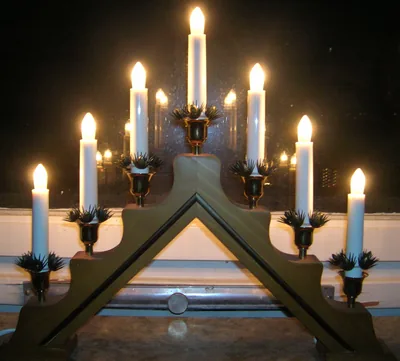
Christmas markets fill town squares with lights, wooden toys and warm treats.
Ethiopia and Orthodox lands
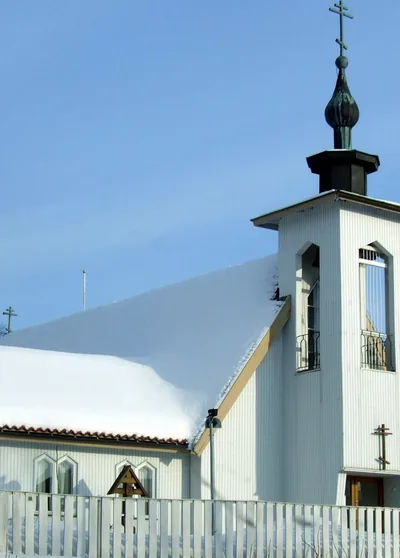
Many Orthodox churches keep Christmas on 7 January with long night services.
Christmas moments
Christmas today
Today people go to church services, sing carols, decorate trees and give gifts. Many give time or food to those in need, and families travel far to be together for the Christmas meal.