- Same day as Diwali
- Remembers Guru Hargobind, the sixth Guru
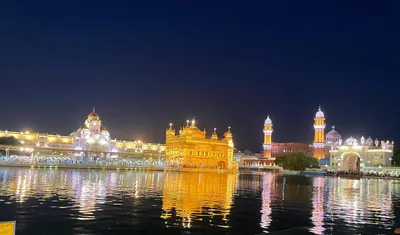
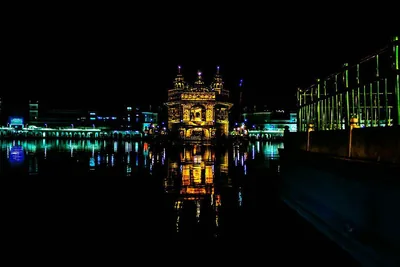
- Lamps and fireworks at Amritsar
Where it began
Bandi Chhor means release of prisoners. Sikh tradition tells that Guru Hargobind was held at Gwalior Fort under the Mughal emperor Jahangir, and that when he was freed he asked for 52 imprisoned kings to be freed with him.
The story tells that the Guru was allowed to take as many as could hold onto his cloak, so he wore a cloak with long tassels and all 52 walked out with him. He reached Amritsar around the time of Diwali, and people lit lamps to welcome him.
How it grew over time
Early 1600s
Guru Hargobind is held at Gwalior Fort and then released with 52 kings.
17th century
Lamps are lit at Harmandir Sahib in Amritsar to welcome him.
18th and 19th centuries
The Diwali gathering at Amritsar becomes one of the main Sikh assemblies of the year.
Today
Sikhs around the world keep the day with lights, prayer and langar.
How it is celebrated in different places
Amritsar, Punjab
The Golden Temple glows with lamps and fireworks over the sacred pool.
Gwalior, Madhya Pradesh
Gurdwara Data Bandi Chhor stands at the fort where the Guru was held.
UK, Canada and US
Gurdwaras hold kirtan, firework displays and langar for the community.
Bandi Chhor Divas moments
Bandi Chhor Divas today
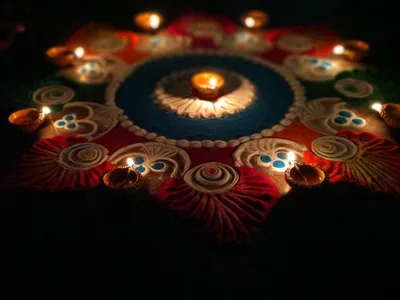
Families light lamps at home and at the gurdwara, join kirtan, share sweets and serve langar. The day is a reminder of standing up for the freedom of others.