TodayTools

About Sinhala and Tamil New Year

00 days

About Sinhala and Tamil New Year

The Sinhala and Tamil New Year, Aluth Avurudu, is the national new year of Sri Lanka, celebrated on 13 and 14 April when the sun moves from Pisces into Aries. Sinhala Buddhists and Tamil Hindus share the festival, and it is a public holiday for everyone.

The change of year follows auspicious times, called nekath, worked out by astrologers: the time to finish the old year's work, a neutral period of rest and worship, the time to light the hearth and boil milk until it overflows, to eat the first meal, to start work and to anoint the head with herbal oil.

Families make kiribath (milk rice), kavum, kokis and other sweets, share them with neighbours, pay respect to elders with betel leaves, and play traditional games to the sound of the rabana drum. Tamil families celebrate Puthandu with temple visits and a festive meal.

  • 13 or 14 April
  • Sun moves into Aries
  • Lucky times called nakath
  • Sri Lanka

Where it began

The new year marks the sun moving from Pisces into Aries, which also comes at the end of the harvest season. It is kept by both Sinhala and Tamil communities in Sri Lanka.

Astrologers set lucky times, called nakath, for each step. There is also a neutral period between the old and new year, when people stop work and visit temples.

How it grew over time

  1. Ancient times

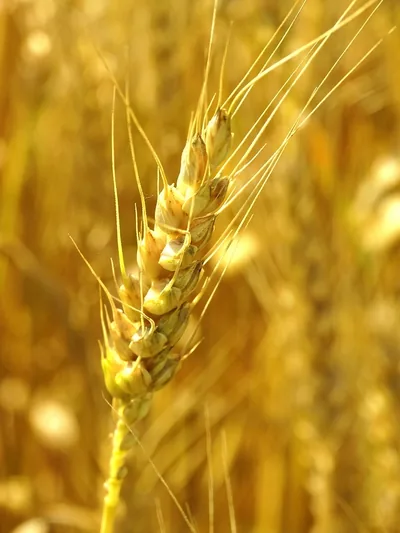
    Farmers marked the end of the harvest with thanks and feasts.

  2. Kingdoms of Sri Lanka

    Kings and villages followed astrologers for the start of the year.

  3. Modern Sri Lanka

    The new year became a main public holiday for the whole island.

  4. Today

    Towns and villages hold Avurudu fairs with games, music and food.

How it is celebrated in different places

  • Villages of Sri Lanka

    Women play the raban drum, and swings hang from trees.

  • Colombo

    Families leave the city for their home towns, and fairs are held in parks.

  • Northern and eastern Sri Lanka

    Tamil families keep Puthandu with temple visits and festive meals.

  • Sri Lankan diaspora

    Communities in Australia, the UK and the Middle East hold Avurudu gatherings.

Sinhala and Tamil New Year today

At the lucky time families light the hearth and boil milk until it overflows, a sign of plenty. They share kiribath, kavum and kokis, visit relatives with gifts and play games like tug of war and climbing a greased pole.
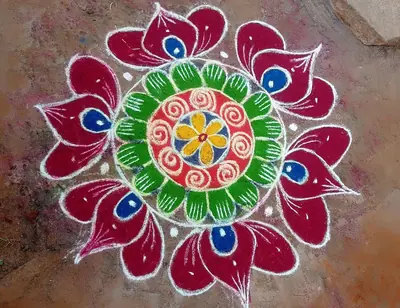
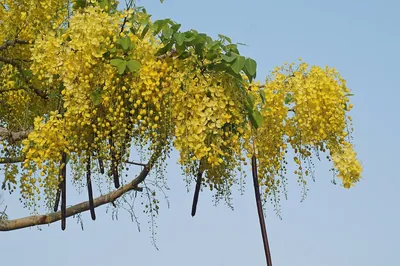
How people celebrate Sinhala and Tamil New Year

  • Boiling milk at the auspicious time
  • Kiribath, kavum, kokis and aasmi
  • Lighting the hearth
  • Offering betel leaves to elders
  • Oil anointing (hisa thel gema)
  • Rabana drums and Avurudu games
  • First transaction (ganu denu)

How to wish well

  • In Sinhala say "Suba aluth avuruddak wewa" (May you have a happy new year). In Tamil, "Iniya puthandu nalvazhthukal".
  • Greet elders first and in person if you can, with respect; they give blessings in return.
  • Many families wear clothes in the lucky colour announced for the year; mentioning it is a nice touch.
  • The festival belongs to both Sinhala and Tamil people, so a wish that includes both feels warm and inclusive.

Questions about Sinhala and Tamil New Year

When is the Sinhala and Tamil New Year?

On 13 and 14 April in most years, when the sun enters Aries. The exact auspicious times are published each year.

What do you say for Sinhala New Year?

"Suba aluth avuruddak wewa" (සුබ අලුත් අවුරුද්දක් වේවා), Happy New Year. In Tamil, "Iniya puthandu nalvazhthukal".

What is the nonagathe?

The neutral period between the old year and the new, when people stop work and cooking and spend the time at the temple or in worship.

What foods are made for Avurudu?

Kiribath (milk rice), kavum (oil cakes), kokis, aasmi, aluwa, mung kavum, athirasa and plenty of bananas and sweets.

What games are played at Avurudu?

Pillow fights on a pole, tug of war, climbing the greasy pole, eluvan kema (blindfolded pot breaking), Avurudu kumari pageants and rabana drumming.

Keep exploring

Related

Coming up next

    All festival wishes

    Donate